
Engineering Safe Passage Beneath Downtown Los Angeles, USA
SOCOTEC US delivered comprehensive geotechnical instrumentation and monitoring services for Los Angeles' transformative Metro Regional Connector, safeguarding 1.9 miles of twin tunnels and three underground stations during construction beneath one of America's busiest urban centers.
Key information
- Project Name : Metro Regional Connector Tunnel
- Client : Los Angeles Metropolitan Transportation Authority c/o Arcadis
- Location : Los Angeles, California
- Provided by : Ninyo & Moore, a SOCOTEC Company
- Services provided : Advanced geotechnical instrumentation and monitoring

Talk to our experts

Project overview
The Metro Regional Connector addressed a critical transit bottleneck in Los Angeles for decades. Passengers traveling between North/South and East/West rail lines were forced to transfer stations, adding up to 30 minutes to each journey.
Building beneath one of the most active urban centers in the United States introduced significant engineering challenges. The project required the construction of twin tunnels extending 1.9 miles, more than 50 feet below grade, along with three new underground stations in the heart of downtown.
Construction had to proceed without disrupting businesses, residents, utilities, or nearby landmarks. Sensitive structures -including the Walt Disney Concert Hall - required careful protection, while access to key districts such as Little Tokyo had to be maintained throughout the works.
Tunnel Boring Machines (TBMs) advanced through variable ground conditions, and multiple excavation methods were deployed, including Sequential Excavation Method (SEM) and cut-and-cover construction. The project demanded continuous oversight of ground movement, structural response, and groundwater conditions to safeguard both the infrastructure and the surrounding community.
Services
Geotechnical instrumentation precision monitoring for complex underground works
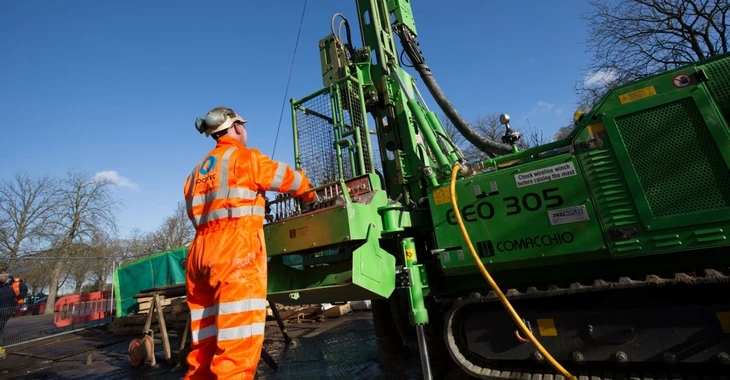
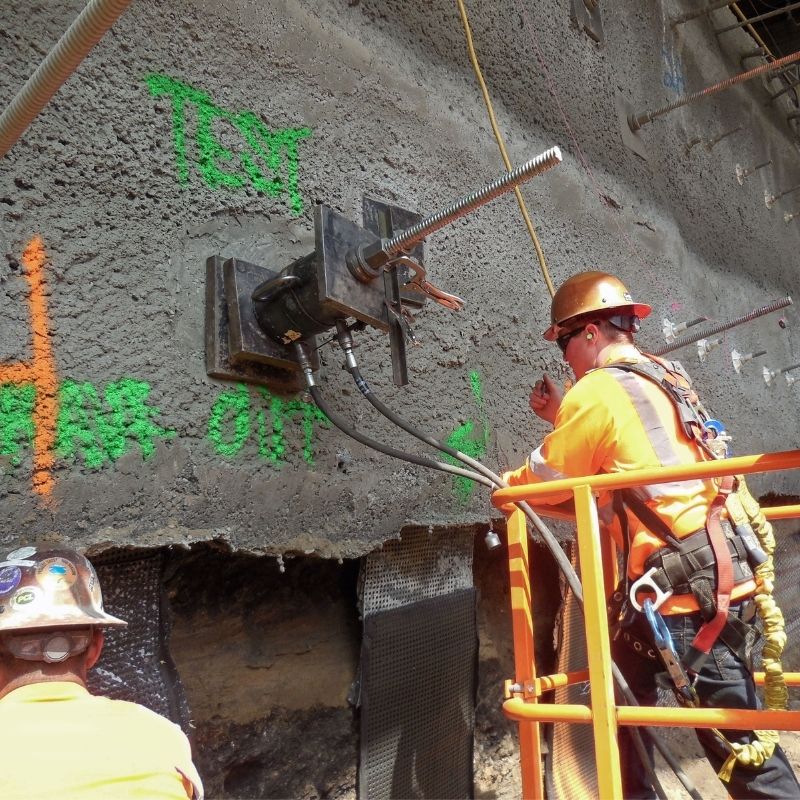
Our geotechnical team deployed an integrated monitoring system combining advanced instrumentation with real-time data analysis to ensure safe tunnel advancement.
Results & impact
Infrastructure delivered, community protected
The geotechnical monitoring program provided LA Metro with actionable, real-time intelligence throughout construction. By tracking ground surface movement and subsurface behavior with precision, the team responded proactively to evolving conditions and maintained control during complex excavation sequences.
Project benefits :
- 20-30 minutes saved on cross-county transit journeys
- Seamless connectivity between North/South and East/West rail corridors
- 17,000 additional daily riders reducing traffic congestion and emissions
- Enhanced accessibility to employment centers, educational institutions, and cultural destinations across Los Angeles
- Zero compromise to surface structures or community safety during construction
The Metro Regional Connector exemplifies how sophisticated geotechnical monitoring enables successful delivery of complex underground infrastructure in challenging urban environments. Our expertise ensured that tunneling and excavation advanced safely, protecting both the project and the community above.

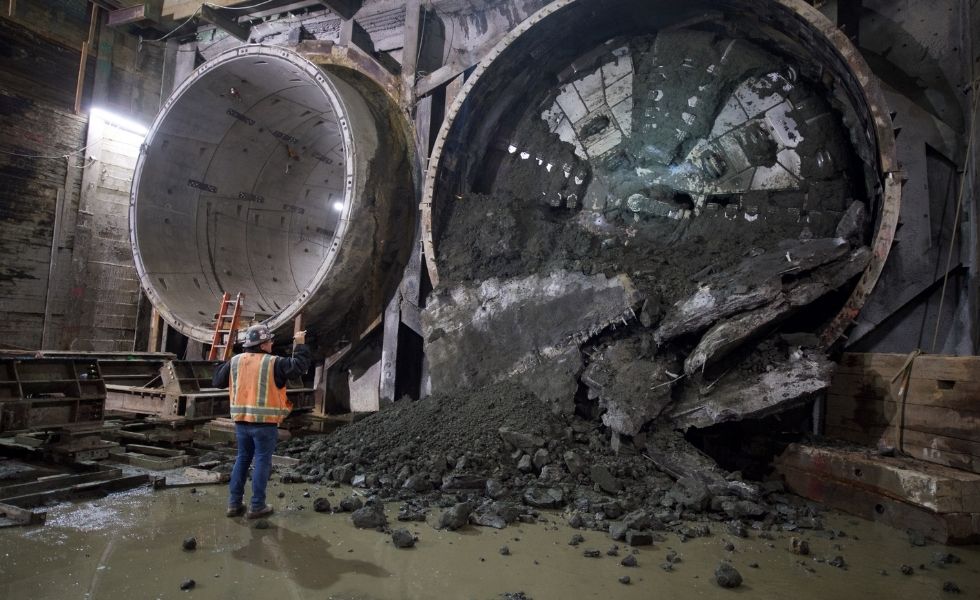
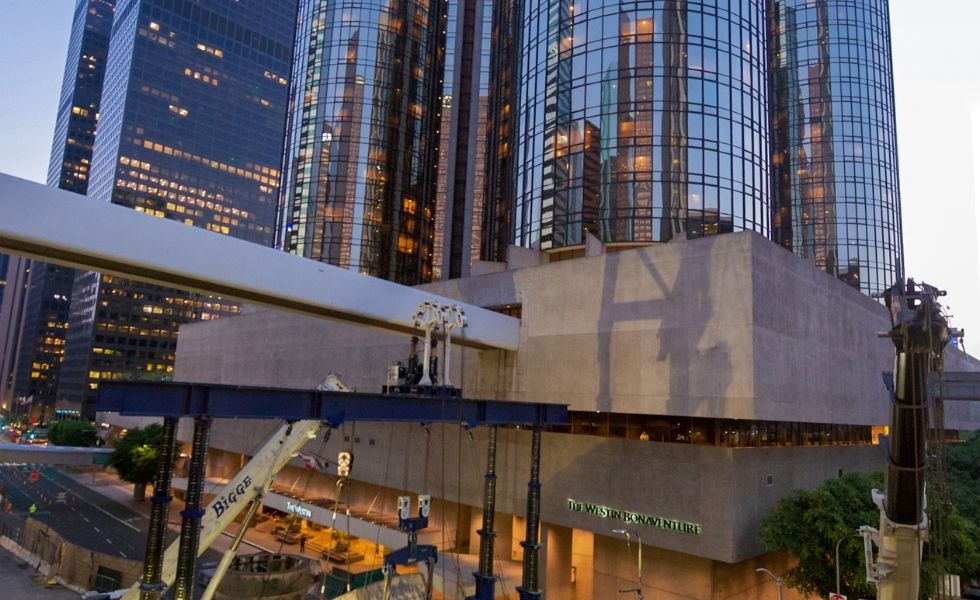
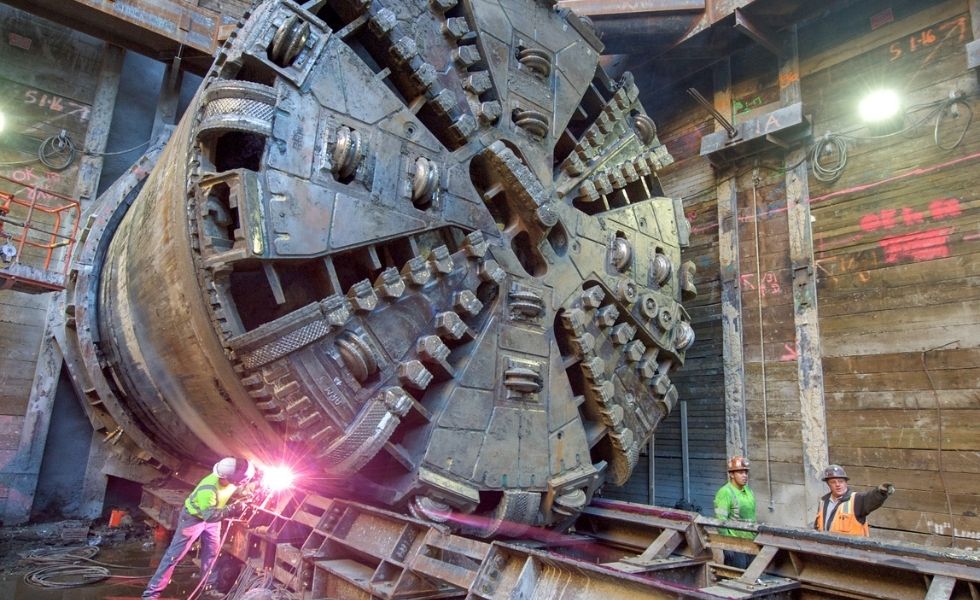
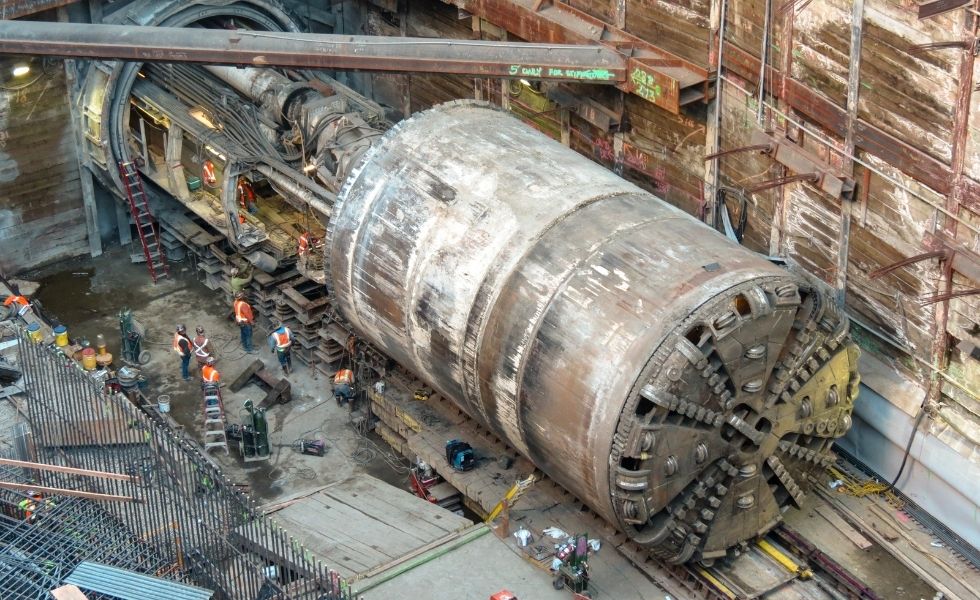
Image credit: © Los Angeles County Metropolitan Transportation Authority – Regional Connector Transit Project (Photo: Gary Leonard)
Planning a tunnel or underground infrastructure project?