

Miami Design District, FL
Mon 16/11/2026 - 10:30
In 2021, the Miami Design District became the first neighborhood in the world to earn LEED for Neighborhood Development v4 Built Gold. Behind that milestone is a partnership of about fifteen years between SOCOTEC and the project’s owners, Dacra and L Catterton, the private equity arm of LVMH.
Project key information
- Client: Dacra and L Catterton
- Location: Miami, Florida, United States
- Services: LEED consulting, sustainability strategy, energy modeling, commissioning

Talk to our experts


The Miami Design District in figures
- 25 acres and eight blocks, between North Miami Avenue and NE 2nd Avenue (east–west) and between NE 38th and NE 40th Streets (north–south)
- 1.9 million sq ft of mixed-use built area, western extension included
- 16 acres and 912,175 sq ft inside the current LEED-ND boundary
- 9 acres and about 1 million sq ft for the MDD West extension
- 30+ buildings and 100+ tenants
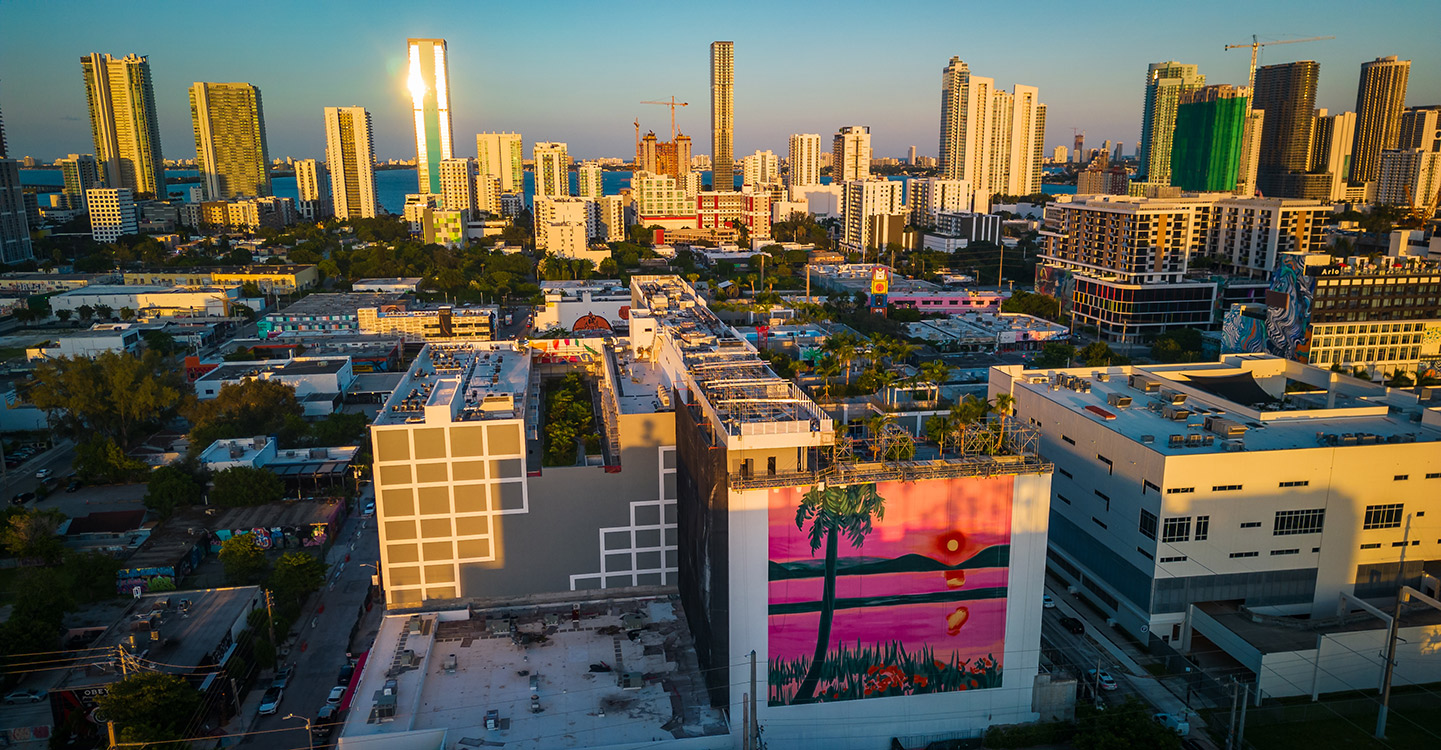
- Nearly half of the district’s rooftops are planted
- 5 certifications between 2012 and 2021
- 10+ years of expected construction
Timeline of a long transformation
- 1980s: the design showroom trade of Buena Vista, just north of downtown Miami, moves on. The buildings sit empty and the area declines for more than a decade.
- 1990: Dacra starts converting the low-rise warehouses.
- 2011: with L Catterton and the urban planning firm Duany Plater-Zyberk, the owners aim to make the district Florida’s reference for sustainable urban design, combining walkability, public art, abundant greenery and high-quality architecture. SOCOTEC’s sustainability journey on the project begins.
- 2012: LEED BD+C Core & Shell Gold for the Garden Lounge Building, and LEED-ND Plan Gold for the district.
- 2015: LEED BD+C Core & Shell Gold for Palm Court.
- 2020: LEED BD+C Core & Shell Gold for Paradise Plaza.
- 2021: world’s first LEED-ND v4 Built Gold.
- 2023: district-wide sustainability partnership with LVMH, announced at Art Basel Miami Beach.
Why certify a whole neighborhood?
Certifying each building individually would have added cost and complexity over a build-out lasting more than ten years, with dozens of design teams involved and a growing number of tenants. The owners wanted an independent framework that would steer investment toward energy and water savings (and so lower operating costs), while also addressing occupant comfort, environmental impact and exposure to climate risk.
LEED-ND offered that framework at neighborhood scale. It looks at the district as one system: how people move, land use, access to public space and resilience to climate hazards.
Three levers that made the certification possible
Benefits for tenants and Miamians
SOCOTEC’s strategy delivered sustainable outcomes:
- Consistent criteria across all buildings and tenants, in a framework flexible enough to follow the district’s expansion
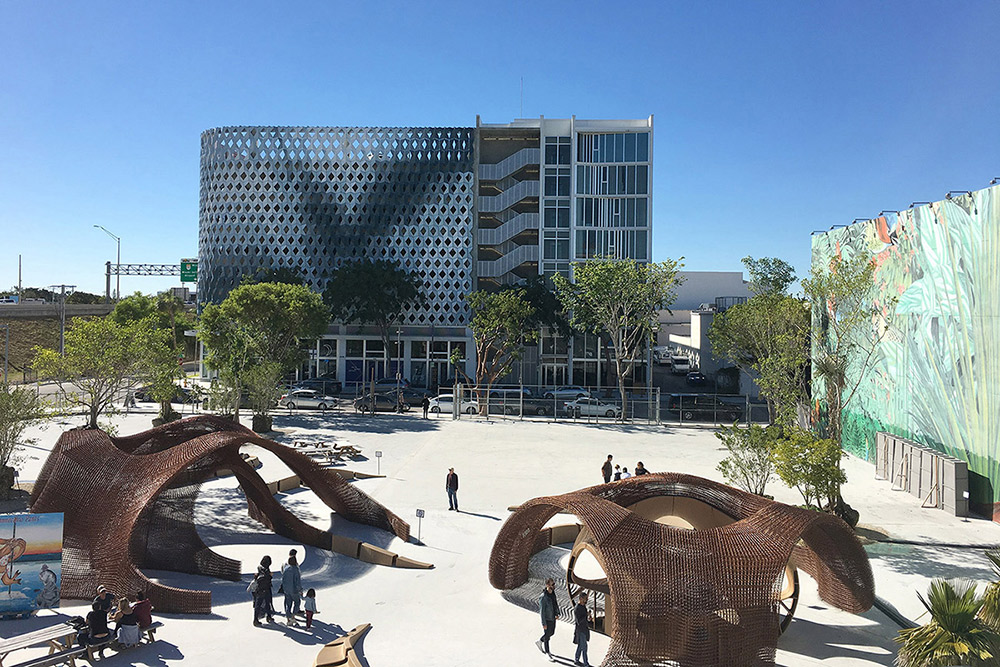
- Nearly half of the district’s rooftops are planted, which cools the streets and eases pressure on stormwater systems
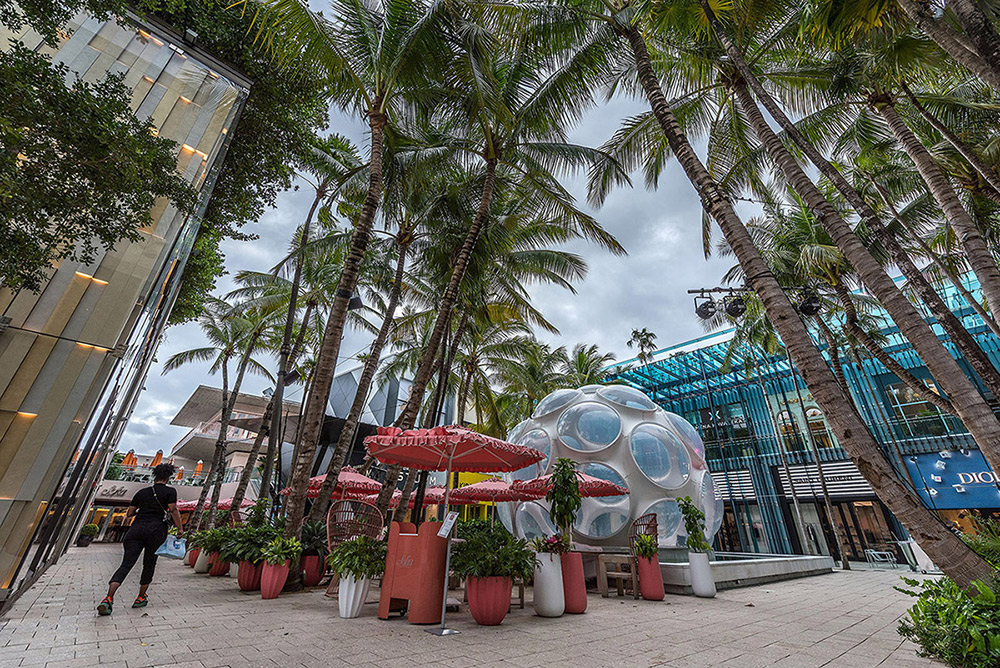
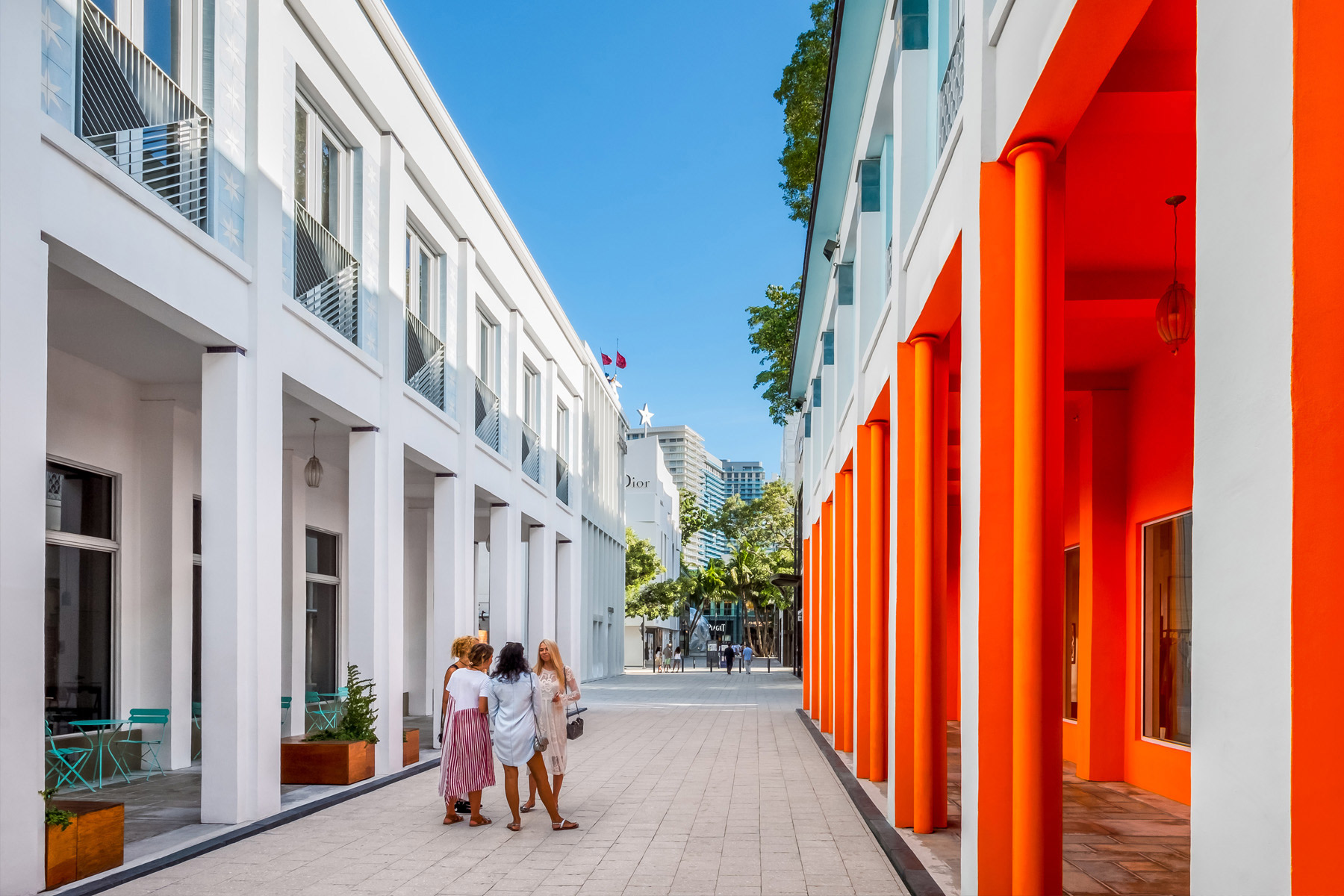
- A walkable layout shaped by smart growth and adaptive reuse
- Green infrastructure as the base of climate resilience, not an add-on
- A stronger appeal for world-class tenants, and the foundation for the 2023 sustainability partnership with LVMH
Planning a large-scale development?

