

Technical Due Diligence Services for Acquisitions, Real Estate & Industry
Reduce Acquisition Risk and Make Better Investment Decisions
Technical Due Diligence (TDD) is a comprehensive assessment of technical, regulatory, environmental and operational risks associated with a real estate, infrastructure or industrial asset.
Whether you are acquiring, selling, financing or managing an asset portfolio, Technical Due Diligence provides a clear understanding of asset condition, regulatory compliance, future capital expenditures (CAPEX), operational expenditures (OPEX) and long-term performance risks.
SOCOTEC supports investors, private equity firms, infrastructure funds, lenders, asset managers and corporate buyers with independent technical assessments that help secure transactions and optimize asset value.

Talk to our experts

What is Technical Due Diligence?
Technical Due Diligence is an independent assessment performed during acquisitions, disposals, refinancing or asset management projects. It evaluates the technical condition, compliance status, operational risks and future investment requirements of an asset.
The objective is to provide stakeholders with a clear understanding of potential liabilities, opportunities and future costs before making investment decisions.
Why is Technical Due Diligence important during an acquisition?
Technical Due Diligence helps buyers identify hidden risks that may affect asset value, operational continuity or future profitability.
It enables investors to:
- Understand the true condition of assets
- Identify compliance gaps
- Estimate future CAPEX and OPEX
- Assess environmental and safety risks
- Strengthen negotiation positions
- Reduce post-acquisition surprises
A well-executed TDD can significantly improve investment confidence and transaction outcomes.
What does a Technical Due Diligence assessment include?
A comprehensive Technical Due Diligence typically covers

SOCOTEC combines multidisciplinary expertise to evaluate all factors that may impact asset value and long-term performance.
What is included in a Technical Due Diligence report?
A Technical Due Diligence report generally provides:
- Executive summary of key findings
- Risk assessment and prioritization
- Regulatory compliance review
- Asset condition analysis
- Deferred maintenance assessment
- CAPEX forecast
- OPEX considerations
- ESG and sustainability observations
- Recommendations and action plans
The report supports investment committees, lenders, asset managers and transaction teams during decision-making processes.
How does Technical Due Diligence support transaction negotiations?
Technical Due Diligence provides objective technical evidence that can support valuation discussions.
- For buyers, it identifies future investments and potential liabilities.
- For sellers, it validates asset condition, strengthens credibility and supports value creation narratives.
The result is a more transparent transaction process and stronger negotiation leverage for all parties.
Assessment
How are CAPEX and OPEX assessed during Technical Due Diligence?
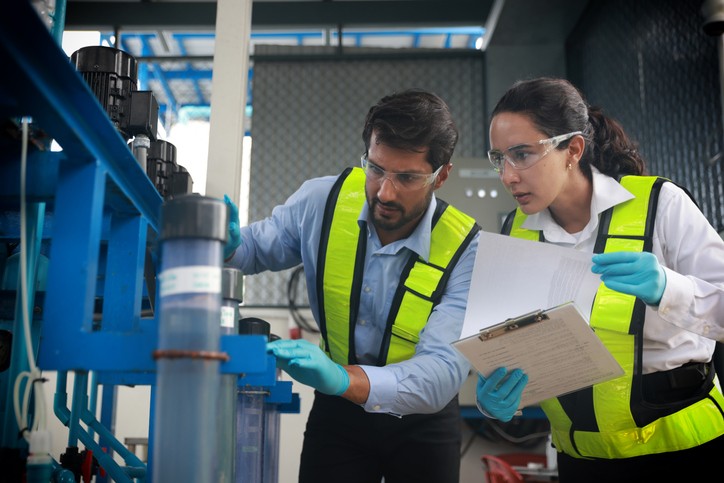
Technical specialists evaluate the condition, remaining useful life and performance of buildings, infrastructure and equipment.
This assessment allows investors to estimate:
- Immediate remediation costs
- Short-term capital expenditures
- Long-term replacement investments
- Operational maintenance costs
- Compliance-related expenditures
These projections are essential for business planning and valuation models.
Technical specialists evaluate the condition, remaining useful life and performance of buildings, infrastructure and equipment.
This assessment allows investors to estimate:
- Immediate remediation costs
- Short-term capital expenditures
- Long-term replacement investments
- Operational maintenance costs
- Compliance-related expenditures
These projections are essential for business planning and valuation models.
What is the difference between Technical Due Diligence and Environmental Due Diligence?
Technical Due Diligence focuses on asset condition, compliance, operational performance and future investment requirements.
Environmental Due Diligence specifically investigates environmental liabilities such as contamination, pollution risks, environmental permits and regulatory obligations.
In complex transactions, both assessments are often performed together to provide a complete risk profile.
How does ESG impact Technical Due Diligence?
Environmental, Social and Governance (ESG) considerations are becoming critical factors in asset valuation and investment decisions.
Modern Technical Due Diligence evaluates:

1# Energy performance
2# Carbon footprint
3# Climate resilience
4# Regulatory sustainability requirements
5# Asset obsolescence risks
6# Green value preservation
ESG-related risks increasingly influence financing conditions, investor expectations and long-term asset performance.
What industries benefit from Technical Due Diligence?
Technical Due Diligence is widely used across:
- Commercial real estate
- Office portfolios
- Logistics facilities
- Industrial manufacturing plants
- Energy infrastructure
- Data centers
- Transportation infrastructure
- Healthcare facilities
- Retail assets
Each sector requires specialized technical expertise and industry-specific risk assessment methodologies.
How do we perform technical due diligence?
A typical Technical Due Diligence engagement includes:
- Project preparation and scope definition
- Document review and data room analysis
- Site inspections and technical audits
- Risk assessment and cost evaluation
- Reporting and recommendations
- Transaction support and stakeholder discussions
This structured approach ensures a reliable and actionable assessment of technical risks.
Our expertise
Why choose SOCOTEC for Technical Due Diligence?

SOCOTEC combines expertise in buildings, infrastructure, industrial operations, environmental compliance, safety and sustainability.
Our multidisciplinary teams provide:
- Independent third-party assessments
- Global technical expertise
- Local regulatory knowledge
- Integrated ESG capabilities
- Real estate and industrial sector specialists
- Actionable CAPEX and risk analyses
By bringing together technical, environmental and operational specialists, SOCOTEC delivers a comprehensive view of the factors that influence asset value and investment performance.
SOCOTEC combines expertise in buildings, infrastructure, industrial operations, environmental compliance, safety and sustainability.
Our multidisciplinary teams provide:
- Independent third-party assessments
- Global technical expertise
- Local regulatory knowledge
- Integrated ESG capabilities
- Real estate and industrial sector specialists
- Actionable CAPEX and risk analyses
By bringing together technical, environmental and operational specialists, SOCOTEC delivers a comprehensive view of the factors that influence asset value and investment performance.
Need help to evaluate building condition, CAPEX needs and regulatory compliance ?
Read more
The 4 P's of Due Diligence are commonly used to structure a comprehensive risk assessment before an acquisition or investment:
People – Evaluating management teams, organizational capabilities, health and safety practices, and workforce-related risks.
Property – Assessing the physical condition, compliance status, maintenance history, and future capital expenditure requirements of buildings, infrastructure, or industrial assets.
Processes – Reviewing operational procedures, maintenance programs, quality management systems, and regulatory compliance processes.
Performance – Analyzing the operational, financial, environmental, and technical performance of the asset to identify risks and opportunities.
Together, these four dimensions provide investors and stakeholders with a holistic understanding of an asset's condition and long-term value potential.
Due diligence can cover several areas depending on the nature of the transaction and the risks involved.
The most common types include:
Technical Due Diligence – Evaluates the physical condition, compliance, operational performance, and future CAPEX requirements of an asset.
Financial Due Diligence – Reviews financial statements, cash flow, liabilities, and overall financial health.
Legal Due Diligence – Examines contracts, ownership rights, permits, litigation risks, and regulatory obligations.
Commercial Due Diligence – Assesses market position, competitive landscape, customer base, and growth opportunities.
Environmental Due Diligence – Identifies environmental liabilities, contamination risks, permits, and sustainability challenges.
ESG Due Diligence – Evaluates environmental, social, and governance factors that may impact investment performance and regulatory compliance.
Operational Due Diligence – Reviews business operations, maintenance practices, systems, and organizational efficiency.
Many complex transactions require a combination of these assessments to provide a complete picture of investment risks and opportunities.
Technological Due Diligence is the process of evaluating a company's technology assets, systems, capabilities, and innovation potential to identify risks and opportunities before an acquisition, investment, merger, or strategic partnership.
The assessment focuses on understanding whether the technology is reliable, scalable, secure, compliant, and capable of supporting future business objectives.
A Technological Due Diligence review may include:
- Software architecture and infrastructure assessment
- Technology stack evaluation
- Cybersecurity and data protection review
- Intellectual property and technology ownership verification
- Product development processes and technical governance
- Scalability and performance analysis
- Technical debt assessment
- Technology team capabilities and organizational structure
- Regulatory and industry compliance review
- Digital transformation and innovation roadmap evaluation
For investors and acquirers, Technological Due Diligence helps determine whether the technology creates a competitive advantage, supports growth objectives, and justifies the investment thesis. It can also identify hidden risks such as obsolete systems, cybersecurity vulnerabilities, excessive technical debt, or dependency on key individuals.
While Technical Due Diligence typically focuses on the physical condition and performance of buildings, infrastructure, or industrial assets, Technological Due Diligence concentrates on digital systems, software, data, and technology-related capabilities. Depending on the transaction, both assessments may be conducted to provide a comprehensive view of operational, technical, and business risks.
For organizations investing in technology-enabled real estate, smart buildings, industrial facilities, or critical infrastructure, combining technological and technical due diligence can provide a more complete understanding of asset performance, resilience, and long-term value creation.
Technical Due Diligence is typically conducted by independent multidisciplinary experts with experience in engineering, construction, infrastructure, industrial operations, environmental management, and regulatory compliance.
Depending on the asset type and transaction scope, a Technical Due Diligence team may include:
- Building surveyors
- Structural engineers
- Mechanical and electrical engineers
- Fire safety specialists
- Environmental consultants
- Energy and sustainability experts
- ESG specialists
- Infrastructure and industrial asset experts
The quality of a Technical Due Diligence assessment depends on the ability to evaluate all technical, operational, environmental, regulatory, and sustainability-related risks that may affect an asset's value and future performance.
At SOCOTEC, Technical Due Diligence projects are led by multidisciplinary teams bringing together experts across the entire built environment and industrial lifecycle. This integrated approach enables SOCOTEC to provide a single, coordinated assessment covering buildings, infrastructure, environmental risks, energy performance, regulatory compliance, health and safety, ESG considerations, and future CAPEX requirements.
Rather than relying on multiple consultants, investors and asset owners benefit from a single point of contact and a comprehensive view of asset risks and opportunities. By combining expertise across all technical disciplines, SOCOTEC delivers consistent, independent, and actionable insights that support informed investment decisions and successful transactions.
A multidisciplinary approach ensures that all technical, operational, environmental, and compliance factors are considered before investment decisions are made.
A Technical Due Diligence (TDD) Survey is a detailed inspection and assessment of a property, infrastructure asset, or industrial facility carried out to identify technical risks, compliance issues, maintenance requirements, and future capital expenditure (CAPEX) needs.
The survey is typically conducted as part of an acquisition, disposal, refinancing, investment, or portfolio management process. Its purpose is to provide investors, lenders, asset managers, and owners with an independent understanding of the asset's condition and any factors that may affect its value or performance.
A Technical Due Diligence Survey may include:
- Visual inspection of buildings, infrastructure, and equipment
- Structural assessment
- Building fabric and envelope review
- Mechanical, electrical, and plumbing (MEP) systems evaluation
- Fire safety and life safety assessment
- Regulatory and code compliance review
- Accessibility and health & safety considerations
- Energy efficiency and sustainability assessment
- Identification of defects and deferred maintenance
- CAPEX forecasting and lifecycle analysis
The findings are typically documented in a Technical Due Diligence Report, which highlights key risks, estimates future investment requirements, and provides recommendations to support informed decision-making.
Unlike a standard building survey, a Technical Due Diligence Survey is specifically designed to support transactions and investment decisions. It focuses not only on the physical condition of the asset but also on the financial implications of technical risks, compliance gaps, operational performance, and future expenditure requirements.
At SOCOTEC, Technical Due Diligence Surveys are delivered by multidisciplinary teams of engineers and technical specialists, enabling clients to benefit from a comprehensive assessment covering buildings, infrastructure, environmental matters, safety, energy performance, ESG considerations, and regulatory compliance within a single coordinated review.
Talk to our experts

